

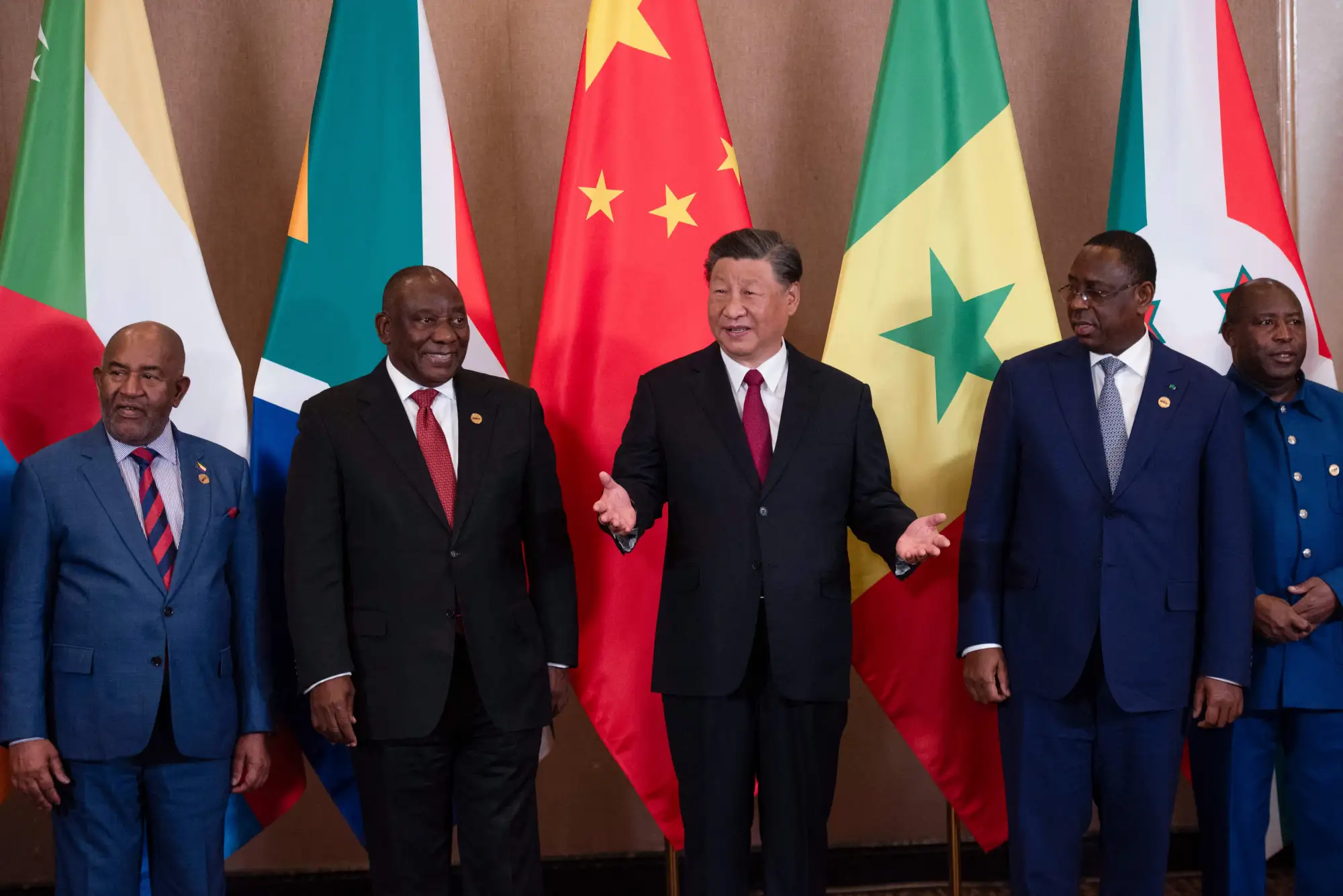
The world is entering a new political era where traditional alliances are weakening and new global partnerships are rapidly reshaping international relations. Rising economic competition, military tensions, energy crises, and shifting diplomatic strategies are creating uncertainty across continents. Countries are no longer relying only on old Western-led systems, as emerging powers are building stronger regional and global influence. These major political shifts are affecting trade, security, technology, and global stability. As new power alliances continue to grow, the balance of global politics is changing faster than ever before.
The Rise of New Global Power Alliances
Shifting Influence Away From Traditional Superpowers
For decades, global politics was dominated by a few major Western nations. However, the rise of emerging economies has started to challenge that structure. Countries in Asia, the Middle East, and parts of Africa are expanding their political and economic influence through trade partnerships, infrastructure investments, and regional cooperation. This shift is creating a more multipolar world where power is shared among several influential nations instead of being controlled by one dominant bloc. As these changes continue, international politics is becoming more competitive and unpredictable.
Strategic Partnerships Reshaping International Relations
Nations are forming new alliances based on economic interests, military cooperation, and energy security. These partnerships are often focused on reducing dependence on traditional Western institutions and creating independent systems for trade and diplomacy. Regional groups are becoming stronger and more active in global decision-making. As countries seek greater control over their resources and policies, these strategic alliances are changing the way international negotiations and political agreements are handled around the world.
Economic Cooperation Driving Political Power
Economic strength has become one of the most important tools in modern global politics. Countries with growing markets, manufacturing capabilities, and energy resources are gaining more political influence. New trade agreements and investment networks are allowing emerging powers to strengthen their global positions. Economic cooperation between developing nations is also increasing, leading to alternative financial systems and regional economic partnerships. These developments are reducing the dominance of traditional economic powers and creating a more balanced international landscape.
Global Conflicts Increasing Political Uncertainty
Regional Wars Creating International Tensions
Ongoing regional conflicts are having a major impact on global stability. Political disputes between neighboring countries are now influencing international markets, energy supplies, and diplomatic relations. Major powers are becoming involved in regional tensions through military support, economic sanctions, and political negotiations. These conflicts are increasing uncertainty across global politics and making international cooperation more difficult. As tensions rise, countries are also increasing defense spending and strengthening military alliances to protect their strategic interests.
Energy and Resource Competition Intensifying
Energy resources have become central to modern geopolitical strategies. Nations are competing for access to oil, gas, rare minerals, and advanced technology materials. This competition is influencing foreign policies and creating new alliances between resource-rich countries and industrial economies. Governments are using energy exports and supply chains as political tools to increase influence and pressure rivals. The growing demand for clean energy technologies is also creating competition over critical minerals needed for future industries and economic growth.
Cybersecurity and Digital Power Expanding
Technology is now playing a critical role in international politics. Cybersecurity threats, digital surveillance, and online influence campaigns are becoming major concerns for governments worldwide. Countries are investing heavily in artificial intelligence, digital infrastructure, and cyber defense systems to strengthen national security. Digital power is also influencing elections, public opinion, and economic stability. As technological competition increases, global politics is entering a new phase where digital influence can be as powerful as military strength.
The Future of Global Politics and International Stability
Multipolar Politics Becoming the New Reality
The global political system is moving toward a multipolar structure where several nations hold significant influence. This shift is changing diplomatic strategies and international cooperation. Countries are no longer fully dependent on one political or economic center. Instead, they are building flexible partnerships based on shared interests and regional goals. Multipolar politics may create more balanced global representation, but it can also increase rivalry and competition between major powers seeking greater influence.
International Institutions Facing New Challenges
Global institutions are struggling to adapt to rapid political and economic changes. Organizations created during earlier political eras are now facing criticism over representation, decision-making, and effectiveness. Emerging nations are demanding greater influence within international systems and pushing for reforms that reflect modern geopolitical realities. As new alliances grow stronger, traditional institutions may need major structural changes to remain relevant in future global politics.
Diplomatic Cooperation Remains Essential
Despite rising tensions and political competition, diplomacy remains one of the most important tools for maintaining global stability. International dialogue helps reduce conflict risks, strengthen trade relationships, and promote peace agreements. Governments continue to rely on diplomatic communication to manage disputes and prevent larger global crises. In a rapidly changing political environment, cooperation between nations will remain critical for addressing economic challenges, climate issues, security threats, and humanitarian concerns.
FAQs
1. What is causing changes in global politics?
Rising economic powers, regional conflicts, and new international alliances are reshaping global politics.
2. What are new power alliances?
They are strategic partnerships between countries based on economic, military, or political interests.
3. Why is global political stability becoming difficult?
International tensions, resource competition, and geopolitical rivalries are increasing uncertainty worldwide.
4. How does technology affect global politics?
Cybersecurity, artificial intelligence, and digital influence are becoming major political and security tools.
5. What is a multipolar world?
A multipolar world is a global system where several countries share political and economic influence instead of one dominant superpower.
Conclusion
Global politics is undergoing a major transformation as new power alliances continue to reshape international relations, economic systems, and global security strategies. Traditional political structures are facing growing challenges from emerging nations seeking greater influence and independence. At the same time, regional conflicts, energy competition, and technological advancements are increasing uncertainty across the world. As countries adapt to these rapid geopolitical changes, diplomatic cooperation and strategic balance will remain essential for maintaining international stability in the years ahead.