

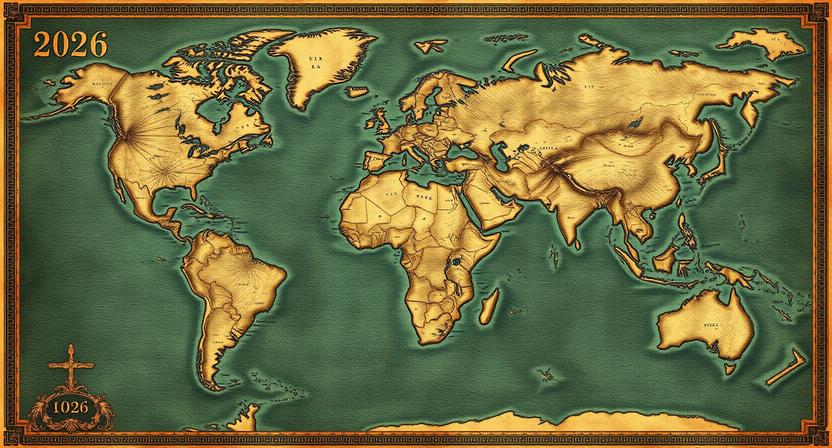
The global political landscape has entered a highly uncertain and dangerous period following a historic decision that has reshaped international relations and increased tensions among world powers. Governments across different regions are now reassessing alliances, economic strategies, and security policies as the effects of this major development continue to spread worldwide. Political analysts believe this moment could redefine diplomacy, global stability, and international cooperation for years to come. As countries react with caution and concern, the world is witnessing a significant shift in power dynamics that could influence economies, military strategies, and geopolitical relationships on a global scale.
Rising Global Tensions and Diplomatic Challenges
Increasing Pressure on International Alliances
The historic political decision has placed growing pressure on international alliances that were once considered stable and reliable. Several countries are now reviewing their diplomatic relationships and defense partnerships to protect their national interests. This situation has created uncertainty among global leaders, especially in regions already facing political instability. As alliances weaken or change direction, global politics are becoming more unpredictable and complex.
Growing Concerns Over Regional Conflicts
Political experts warn that rising geopolitical tensions may increase the risk of regional conflicts in sensitive areas around the world. Countries with long-standing territorial disputes or political disagreements are now taking stronger positions to secure their influence. Military activities and strategic movements in key regions have already raised concerns among international observers. These developments are adding pressure to an already fragile global political environment.
Decline in Diplomatic Trust Between Nations
Trust plays a critical role in maintaining international peace, but recent events have damaged diplomatic confidence between major powers. Leaders are becoming more cautious in negotiations, while accusations and political disagreements continue to grow. This decline in trust may slow down international cooperation on major global issues such as climate change, economic recovery, and security. As diplomatic relations weaken, the chances of misunderstanding and confrontation may increase.
Economic Impact of the Historic Political Shift
Global Markets Facing Uncertainty
Financial markets around the world have reacted cautiously to the changing political climate. Investors are becoming increasingly concerned about future trade policies, sanctions, and economic restrictions that could emerge from rising geopolitical tensions. Stock markets, currencies, and international trade networks are all showing signs of instability. Businesses are also preparing for possible disruptions that may affect long-term economic growth.
Supply Chains Under Growing Pressure
Global supply chains remain vulnerable as political uncertainty continues to expand. Countries that rely heavily on international trade are now facing delays, higher costs, and concerns about future access to important resources. Manufacturers and multinational companies are reconsidering production strategies to reduce risks linked to political instability. This shift could reshape global trade patterns in the coming years.
Energy and Resource Security Becoming Critical
Energy security has become one of the biggest concerns in global politics following the historic decision. Governments are working to secure stable access to oil, gas, and other essential resources amid fears of economic disruption. Rising competition for strategic resources may intensify political rivalries between major economies. As a result, energy policies are becoming increasingly connected to national security strategies worldwide.
The Future of Global Politics and International Stability
Changing Power Dynamics Among World Leaders
The recent political developments are accelerating changes in global power structures. Emerging nations are gaining greater influence in international affairs, while traditional powers face new political and economic challenges. This transformation could create a more competitive international system where countries focus heavily on protecting their own interests. Analysts believe the balance of global influence may continue shifting over the next decade.
Increased Focus on National Security Policies
Governments across the world are strengthening national security measures in response to growing geopolitical uncertainty. Defense budgets are increasing, cybersecurity programs are expanding, and military preparedness is becoming a top priority for many nations. Leaders are attempting to prepare for potential future risks that could arise from political instability and international conflict. These actions reflect the serious concerns surrounding global security today.
Importance of Diplomatic Cooperation Moving Forward
Despite growing tensions, experts continue to emphasize the importance of diplomatic cooperation in maintaining global stability. Open communication and peaceful negotiations remain essential for reducing conflict and preventing further escalation. International organizations and political leaders may play a critical role in encouraging dialogue between competing powers. Without cooperation, the global political environment could become even more unstable and dangerous.
FAQs
1. Why has global politics become more dangerous recently?
Global politics have become more dangerous due to rising geopolitical tensions, diplomatic conflicts, and economic uncertainty following major international decisions.
2. How do political decisions affect the global economy?
Major political decisions can influence trade, financial markets, energy prices, and international business operations worldwide.
3. What are geopolitical tensions?
Geopolitical tensions refer to political disagreements or conflicts between countries involving power, territory, resources, or international influence.
4. Why is diplomatic trust important in international relations?
Diplomatic trust helps countries cooperate peacefully, reduce misunderstandings, and prevent conflicts from escalating.
5. Can international cooperation reduce global instability?
Yes, diplomatic cooperation and open dialogue can help reduce tensions and support long-term global stability.
Conclusion
The world is entering a critical phase as global politics become increasingly uncertain following a historic political decision. Rising tensions, economic instability, and shifting alliances are reshaping international relations at a rapid pace. While the future remains unclear, one thing is certain: global leaders must prioritize diplomacy, cooperation, and strategic planning to prevent further instability. The coming years may define a new era in world politics, making international collaboration more important than ever before.