

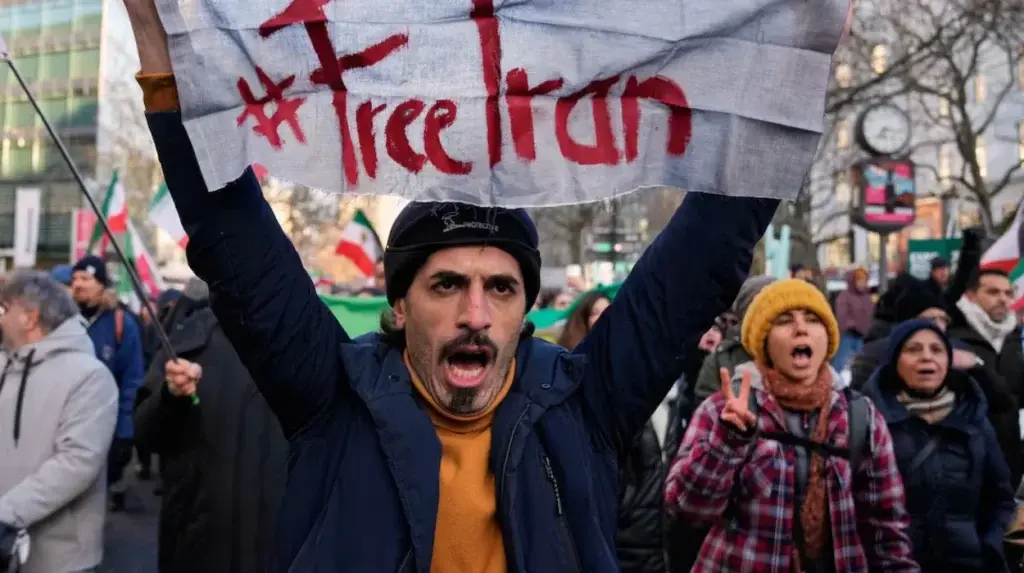
The modern world is facing a period of major uncertainty as global crises and political shifts continue to reshape economies, governments, and international relations. From rising geopolitical tensions to economic instability and social unrest, countries across the globe are experiencing rapid change. These developments are not only influencing political leaders and financial markets but are also affecting everyday life for millions of people. As international headlines focus on growing conflicts, policy changes, and shifting alliances, the world is paying closer attention to how these events could shape the future. Understanding the impact of global crisis trends and political transformation has become more important than ever in today’s interconnected world.
Rising Geopolitical Tensions Across Major Regions
Increasing International Conflicts
Global political tensions have intensified in recent years as several countries continue to face diplomatic disputes and military conflicts. These situations are drawing international concern because they affect trade, security, and global stability. Governments are strengthening defense strategies while international organizations attempt to reduce tensions through negotiations and diplomacy. Political instability in one region can quickly influence economies and international relations worldwide, making geopolitical developments a major focus for global audiences.
Shifting Global Alliances
Political shifts are also changing long-standing international partnerships and alliances. Countries are reevaluating trade agreements, defense cooperation, and foreign policy strategies to protect national interests. As new partnerships emerge, traditional power structures are evolving, leading to increased competition between global powers. These changes are influencing international decision-making and creating uncertainty about the future direction of global politics and diplomacy.
Impact on Global Security
The growing number of political crises is increasing concerns about international security and regional stability. Cybersecurity threats, border tensions, and military expansion are becoming more common topics in political discussions worldwide. Governments are investing more in national defense and intelligence systems to respond to emerging risks. As security concerns continue to rise, global leaders are under pressure to maintain peace while protecting economic and political interests
Economic Challenges Continue to Affect Global Markets
Inflation and Rising Living Costs
One of the biggest consequences of the current global crisis is the rise in inflation and living expenses. Many countries are struggling with higher prices for food, fuel, housing, and essential services. Consumers are feeling financial pressure as wages in some regions fail to keep up with inflation. Economic uncertainty has also reduced consumer confidence, making businesses and investors more cautious about future growth opportunities.
Supply Chain Disruptions Worldwide
Global supply chain disruptions continue to affect industries across multiple sectors. Delays in manufacturing, transportation issues, and shortages of raw materials have created challenges for businesses and consumers alike. Companies are adjusting their production strategies to reduce dependency on unstable supply routes. These disruptions are highlighting the importance of building stronger and more flexible global trade systems for long-term economic stability.
Changes in Global Investment Trends
Political and economic instability is influencing how investors approach financial markets. Many businesses are focusing on safer investments while avoiding high-risk regions and industries. Governments are introducing new economic policies to attract foreign investment and stabilize markets. At the same time, digital industries and technology sectors are gaining more attention as countries seek innovative ways to strengthen economic growth during uncertain times.
Social and Political Transformations Reshape Societies
Public Demand for Political Reform
Citizens in many countries are demanding greater political transparency, accountability, and reform. Social movements and public demonstrations are becoming more common as people express concerns about leadership, economic inequality, and social justice. Political leaders are facing increasing pressure to respond to public expectations and improve governance systems. These demands for reform are reshaping political discussions and influencing election outcomes in several regions.
The Role of Digital Media in Global Awareness
Digital media platforms are playing a major role in spreading awareness about global crises and political developments. News travels faster than ever, allowing people to stay informed about international events in real time. Social media has become a powerful tool for political communication, activism, and public opinion. However, the rapid spread of information has also increased concerns about misinformation and the influence of online narratives on public perception.
Changing Priorities Among Younger Generations
Younger generations are becoming increasingly involved in global political and social issues. Topics such as climate change, economic opportunity, human rights, and political freedom are influencing public discussions worldwide. Many young people are using digital platforms to advocate for change and encourage civic participation. Their growing influence is shaping future political strategies and encouraging governments to address modern social challenges more directly.
FAQs
What is causing the current global crisis?
The current global crisis is being driven by geopolitical tensions, economic instability, inflation, and political conflicts in different regions.
Why are political shifts attracting worldwide attention?
Political changes influence global markets, international relations, trade policies, and public stability, making them important worldwide.
How does inflation affect global economies?
Inflation increases living costs, reduces consumer spending power, and creates economic uncertainty for businesses and governments.
What role does social media play in political awareness?
Social media spreads information quickly, helping people stay informed about political events and global developments in real time.
Why are younger generations becoming more politically active?
Younger people are increasingly focused on issues like climate change, equality, economic opportunities, and political reform.
Conclusion
Global crises and political shifts are reshaping the modern world in significant ways, affecting economies, governments, and societies across every region. Rising geopolitical tensions, economic challenges, and growing public demands for reform continue to influence international discussions and future policy decisions. As technology and digital communication increase global awareness, people are paying closer attention to how these developments impact everyday life and long-term global stability. Understanding these changes is essential for staying informed in a rapidly evolving political and economic environment.