

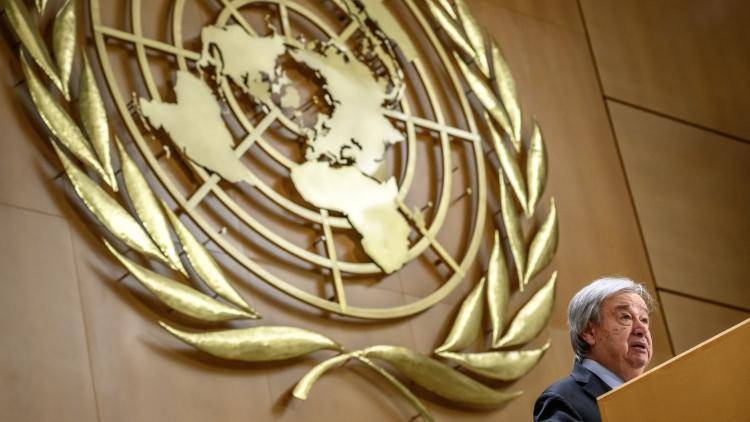
Global affairs are evolving at a rapid pace as political tensions, economic challenges, technological developments, and environmental concerns continue shaping international conversations. Around the world, governments, businesses, and communities are responding to changing global conditions that influence trade, security, diplomacy, and daily life. As new global stories emerge, countries are becoming more interconnected, making worldwide events more impactful than ever before. From shifting alliances to digital transformation and climate discussions, international developments are creating new opportunities as well as complex challenges. Understanding these changes is essential for individuals, businesses, and policymakers who want to stay informed in an increasingly connected world.
Rising Political Developments Across the Globe
International Relations Continue to Shift
Global political dynamics are changing as countries strengthen strategic partnerships while also managing diplomatic tensions. Nations are focusing on economic cooperation, defense agreements, and regional stability to protect national interests. At the same time, international organizations are encouraging dialogue to reduce conflicts and improve global collaboration. These developments are influencing worldwide affairs and creating new discussions around diplomacy and international leadership.
Elections and Leadership Changes Influence Global Policies
Leadership transitions in major countries are having a direct effect on foreign policy and global decision-making. Elections often introduce new priorities related to trade, security, immigration, and economic planning. Political analysts are closely monitoring how emerging leaders approach international cooperation and domestic reforms. As governments adapt to changing political landscapes, global stories continue to evolve with significant international attention.
Geopolitical Tensions Remain a Major Concern
Several regions are experiencing geopolitical uncertainty due to border disputes, military activities, and economic sanctions. These tensions are affecting global markets and international stability while increasing concerns about long-term security. Governments are working through diplomatic channels to manage risks and avoid escalation. The growing focus on defense and national security highlights the importance of maintaining balance in worldwide affairs.
Global Economic Challenges and Opportunities
Inflation and Market Volatility Impact Economies
Many countries continue facing inflation, rising living costs, and market uncertainty. Businesses and consumers are adjusting spending habits as governments introduce financial measures to stabilize economies. Central banks are closely monitoring interest rates and economic growth to reduce financial pressure. These global economic developments are influencing trade, employment, and investment decisions worldwide.
International Trade Continues to Evolve
Global trade networks are adapting to supply chain disruptions and changing consumer demands. Countries are investing in local manufacturing while also strengthening international trade agreements. Technology and digital commerce are playing a larger role in cross-border business activities. As global markets become more competitive, businesses are searching for innovative ways to remain stable and profitable.
Emerging Markets Create New Business Possibilities
Developing economies are attracting international investors due to rapid industrial growth and digital expansion. Many regions are seeing increased opportunities in technology, renewable energy, and infrastructure development. Entrepreneurs and multinational companies are exploring new markets to expand operations and reach larger audiences. These economic shifts are contributing to the growing complexity of worldwide business affairs.
Technology and Innovation Shape Global Stories
Artificial Intelligence Continues to Expand Globally
Artificial intelligence is transforming industries across healthcare, finance, education, and communication. Businesses are adopting AI-driven systems to improve efficiency, automate processes, and enhance customer experiences. Governments are also discussing regulations to ensure responsible technology development. As AI continues advancing, it remains one of the most discussed topics in global news and international affairs.
Cybersecurity Concerns Increase Worldwide
As digital systems become more important, cybersecurity threats are growing across both public and private sectors. Governments and organizations are investing heavily in digital protection to defend against cyberattacks and data breaches. International cooperation is becoming essential to improve online security and maintain trust in digital infrastructure. These concerns are shaping worldwide discussions about technology and national security.
Digital Transformation Changes Everyday Life
Technology is reshaping how people work, communicate, shop, and access information. Remote work, online education, and digital banking have become more common in many parts of the world. Businesses are focusing on innovation to meet changing customer expectations in a digital-first environment. This ongoing transformation highlights the growing influence of technology in modern global affairs.
Climate and Environmental Issues Gain Global Attention
Climate Change Remains a Worldwide Priority
Environmental concerns continue influencing international discussions as countries work toward sustainability goals. Governments are introducing policies to reduce emissions and invest in renewable energy sources. Climate change is affecting agriculture, weather patterns, and public health in many regions. As environmental challenges grow, global cooperation is becoming increasingly important.
Renewable Energy Investments Continue to Rise
Countries are accelerating investments in solar, wind, and clean energy projects to reduce dependence on fossil fuels. Businesses are also adopting sustainable practices to meet environmental standards and consumer expectations. Renewable energy growth is creating new jobs and economic opportunities in different parts of the world. This shift is playing a significant role in shaping future global development.
Natural Disasters Influence International Response Efforts
Floods, wildfires, droughts, and extreme weather events are impacting communities worldwide. Governments and humanitarian organizations are strengthening emergency response systems to support affected populations. Climate-related disasters are increasing awareness about environmental preparedness and long-term resilience strategies. These events continue influencing international conversations about sustainability and crisis management.
Media and Communication Drive Worldwide Awareness
Social Media Accelerates Global Information Sharing
Social media platforms are playing a major role in spreading news and influencing public opinion. Information now travels faster than ever, allowing people to stay updated on worldwide events in real time. However, concerns about misinformation and digital manipulation continue growing. Governments and technology companies are exploring ways to improve content accuracy and online transparency.
Independent Journalism Gains More Attention
Audiences are increasingly seeking reliable news sources that provide balanced and factual reporting. Independent journalism is helping people better understand complex international stories and political developments. Media organizations are adapting to digital trends while maintaining professional reporting standards. This shift reflects the growing demand for trustworthy global news coverage.
Public Awareness Shapes International Discussions
People around the world are becoming more engaged in social, political, and environmental issues. Public conversations about human rights, equality, and sustainability are influencing government decisions and corporate policies. Digital communication tools are making it easier for communities to participate in global discussions. As awareness grows, citizens are playing a stronger role in shaping worldwide affairs.
FAQs
What are worldwide affairs?
Worldwide affairs refer to international events, political developments, economic trends, and global issues that affect multiple countries.
Why are global stories important?
Global stories help people understand international changes that impact economies, politics, technology, and society.
How does technology influence global affairs?
Technology improves communication, business operations, and information sharing while also creating cybersecurity challenges.
Why is climate change a global concern?
Climate change affects weather patterns, food production, public health, and environmental stability worldwide.
How do political tensions affect the global economy?
Political tensions can impact trade, investment, supply chains, and market confidence across international markets.
Conclusion
Worldwide affairs continue intensifying as new global stories emerge across politics, economics, technology, climate, and communication. International developments are shaping how countries interact, how businesses operate, and how societies respond to modern challenges. As the world becomes increasingly connected, staying informed about global trends is more important than ever. Understanding these evolving issues can help individuals and organizations better prepare for future opportunities and uncertainties in the rapidly changing global landscape.